
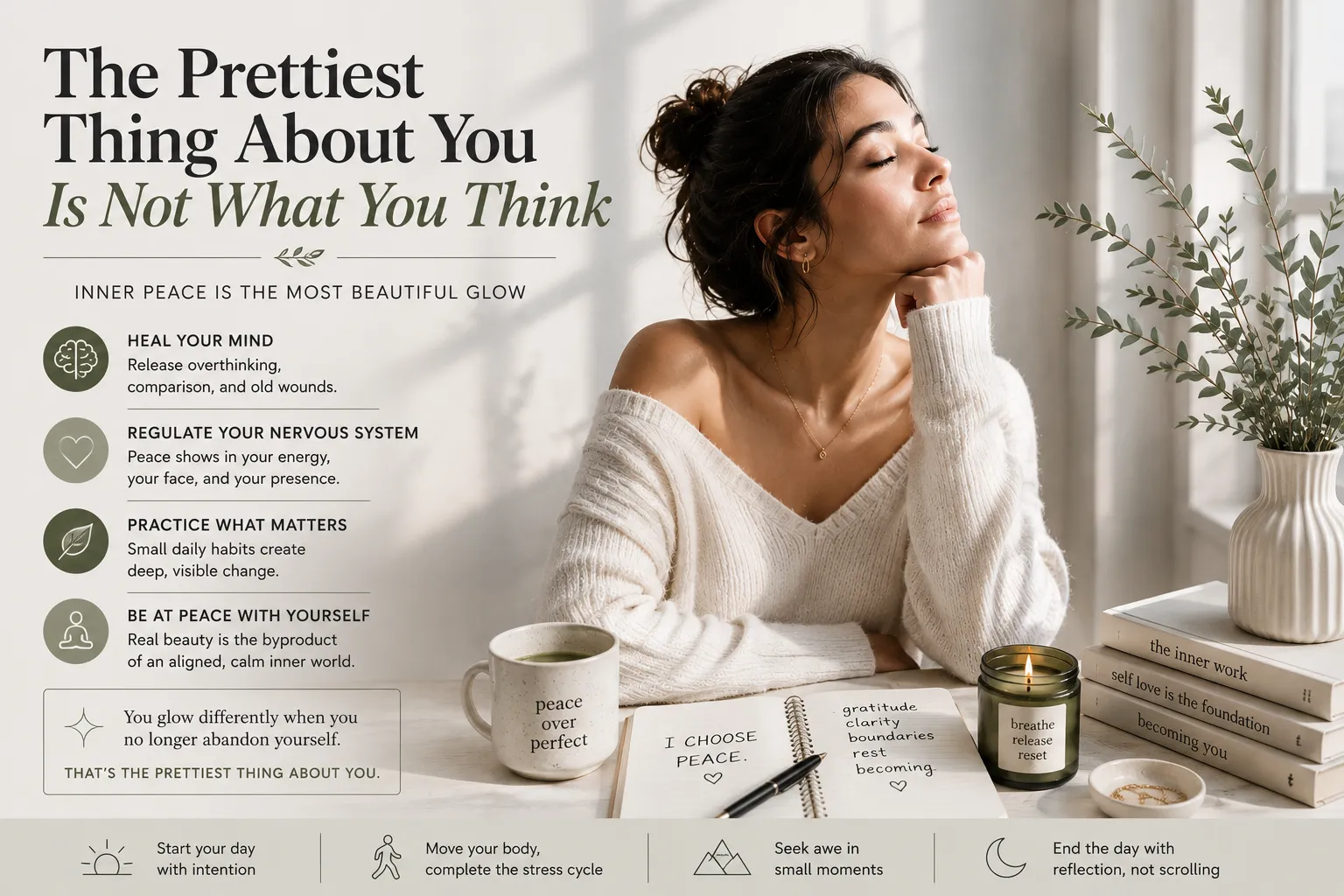
The Prettiest Thing About You Is Not What You Think
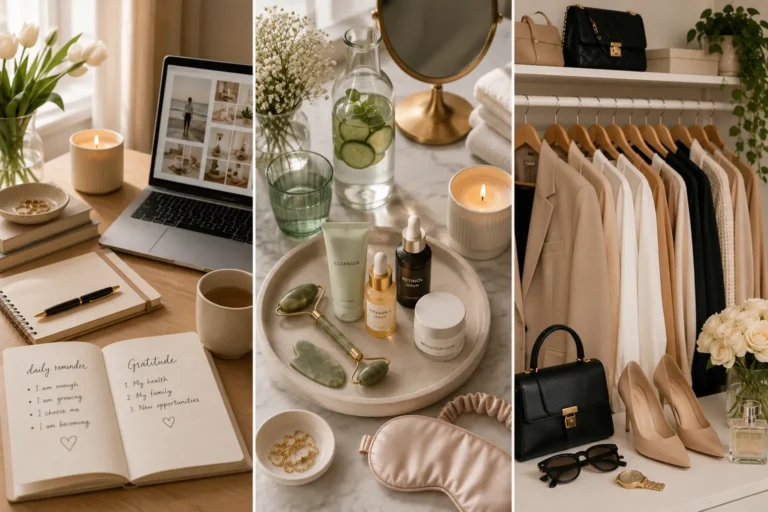
I spent years chasing a certain kind of pretty. Symmetrical face, glowing skin, effortless smile, clothes that looked expensive. I bought serums, I tried Gua Sha, I watched tutorials.
Then I had coffee with someone so genuinely at peace with herself that I forgot to notice what she looked like. She was 49, no makeup except a little mascara, hair in a ponytail, wearing a $60 sweater from Uniqlo. And I couldn’t stop wanting to be near her. That was the moment I understood what I’d been missing.
There is a type of beauty skincare cannot manufacture and filters cannot replicate. It lives in your nervous system, not the mirror. It shows up in how someone listens, in the steadiness behind their eyes, in ease with which they occupy a room. Psychologists have a name for it: self-concept clarity. And its physical expression is more compelling than any beauty trend on your For You page right now.
Beauty industry is worth over half a trillion dollars and almost none of it is invested in thing that changes how people actually perceive you. That’s not coincidence. What follows is what science actually says about relationship between mental state and perceived attractiveness, and why your inner world is your most underrated beauty asset.
What people actually see when they look at you
Research in social perception consistently shows within seconds of meeting someone, observers form impressions that go far beyond physical features. What gets encoded in those first moments includes energy regulation, emotional availability, and what researchers call vital affect – subtle non-verbal signal of someone who is genuinely alive inside own life.
This is not about confidence as performance. Performed confidence is visible and slightly exhausting to be around. You can feel when someone is trying to look confident. What brain registers as attractive is quieter: nervous system that is not in chronic survival mode.
People who have done real inner work, who have grieved what needed grieving and released what needed releasing, carry physical ease that registers as beauty before single word is spoken.
Your nervous system is more visible than your pores. People feel your inner state before they see your face.
I tested this without meaning to. In 2023 I went to a friend’s birthday dinner after a week of terrible sleep, constant comparison scrolling, and an unresolved fight with my sister I kept replaying. I wore my best dress, makeup done, hair done. In photos I looked tense. Jaw tight, eyes a little hard. Two weeks later, same dress, same makeup, but after a weekend of walking, sleeping, and actually talking to my sister. Same face, different nervous system. Photos looked completely different. My friend said, you look prettier. Nothing physical changed.
The mental habits that physically age you
Rumination. Chronic overthinking keeps body in low-grade stress state. Cortisol stays elevated. Inflammation stays elevated. Collagen production slows. Skin of chronic ruminator often looks older than biological age, not because of what they eat or how much they sleep, but because nervous system never fully rests. I used to replay conversations from 2019 at 11pm. My face at 11:05pm looked tired because my body thought I was still in that conversation.
Comparison. Social comparison activates same neural pathways as physical pain. When it becomes habit, it creates permanent undercurrent of inadequacy that changes posture, facial expression, ease with which someone moves through room. You cannot out-serum the way comparison makes you look. I noticed this when I stopped following accounts that made me feel behind. My shoulders dropped an inch. Literally. My massage therapist asked what I changed.
Unprocessed grief or resentment. Emotions suppressed rather than processed don’t disappear. They live in body as chronic muscle tension, particularly in jaw, brow, around eyes. Habitual facial expressions of someone carrying unprocessed pain become structural over time. This is what people mean when they say someone has kind face, or hard face. They are reading decades of emotional weather, not bone structure. I clench my jaw when I’m holding resentment. My dentist told me before my therapist did.
Read More: Why You Have a Full Closet But Nothing to Wear
The pretty mind practice: what actually works
These are not affirmations or positive thinking exercises. They are neurologically grounded practices that change baseline state of nervous system, which changes physical presence, which changes how people experience being around you.
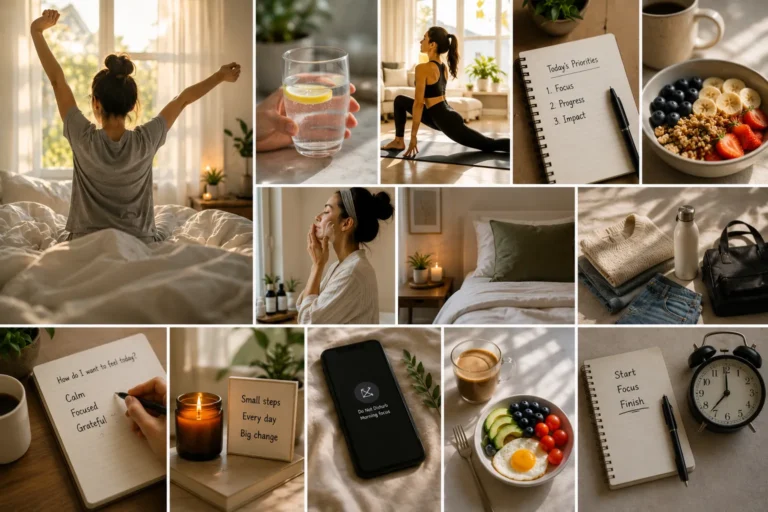
The 10-minute unstructured morning. Before checking any screen, spend 10 minutes with no agenda. Look out window. Make tea slowly. Let mind wander without direction. This single practice, done consistently, reduces default-mode network overactivation, which is brain state responsible for self-critical loops. My version: kettle on, stand at window in my Toronto kitchen, watch street for 10 minutes, no phone. No journaling, no productivity. Just wandering. After two weeks, my morning anxiety dropped and my face looked less puffy because I wasn’t starting day in threat mode.
Completing the stress cycle. Humans evolved to complete stress responses physically. After difficult conversation, hard day, moment of anxiety, body needs physical signal that threat has passed. A 20-minute walk, short burst of movement, or even long exhale-heavy breathing session resets biochemistry your face is wearing. I use this after client calls that stress me. I don’t go straight to next task. I walk around block, 12 minutes, breathe out longer than in. My face and shoulders feel different after. My husband says I look softer.
Deliberate awe. Research from Greater Good Science Center shows regular experiences of awe reduce self-referential thinking and lower inflammatory markers. A sunset, piece of music that makes you stop, view that makes you feel small in best way. Awe is one of most underused beauty tools in existence. I take 10 minutes every Sunday to watch sunset from my balcony, no phone, no photo for Instagram. Just watch. It makes me feel small in good way. My thoughts get quieter. People who experience awe regularly are rated as more attractive in studies, not because they look different but because they carry less self-focus.
Ending day with completion, not consumption. The 30 minutes before sleep most people spend scrolling could be redirected to simple review: what felt meaningful today, and what can be released. This is not journaling as productivity hack. It is teaching nervous system that day is over, which changes sleep quality, which changes everything visible about you by morning.
My version is very simple. At 10pm I write two lines: What felt meaningful today? What can I release? Yesterday: meaningful was making soup for my neighbor. Release was need to reply to that email tonight. Lights out. Sleep is deeper, face less puffy in morning. I stopped waking at 3am with to-do list running.
None of this replaces good skincare routine or nourishing diet. I still wear SPF 50 every day, I still eat vegetables, I still walk. But inner work sits above them in hierarchy of what makes someone genuinely beautiful in way that makes people want to be near them.
Read More: Why Some Women Always Look Put Together (It’s Not What They Wear)
The prettiest version of you is not waiting on other side of skincare ingredient or fitness milestone. She is waiting on other side of inner work you have been putting off. The conversation you have not had with yourself. The grief you have not allowed. The rest you have not taken. Start there. The mirror will follow.
I thought pretty was about fixing my face. It turned out to be about calming my nervous system enough that my face could finally relax. When I relaxed, I looked like myself. And that was prettier than any version I was trying to manufacture.

Founder of MindSpaceGlow — I write about intentional living, mindset & productivity for a calmer life. Not a licensed therapist, but sharing practical, research-based tools that work in real life.
More about me →




2 Comments