
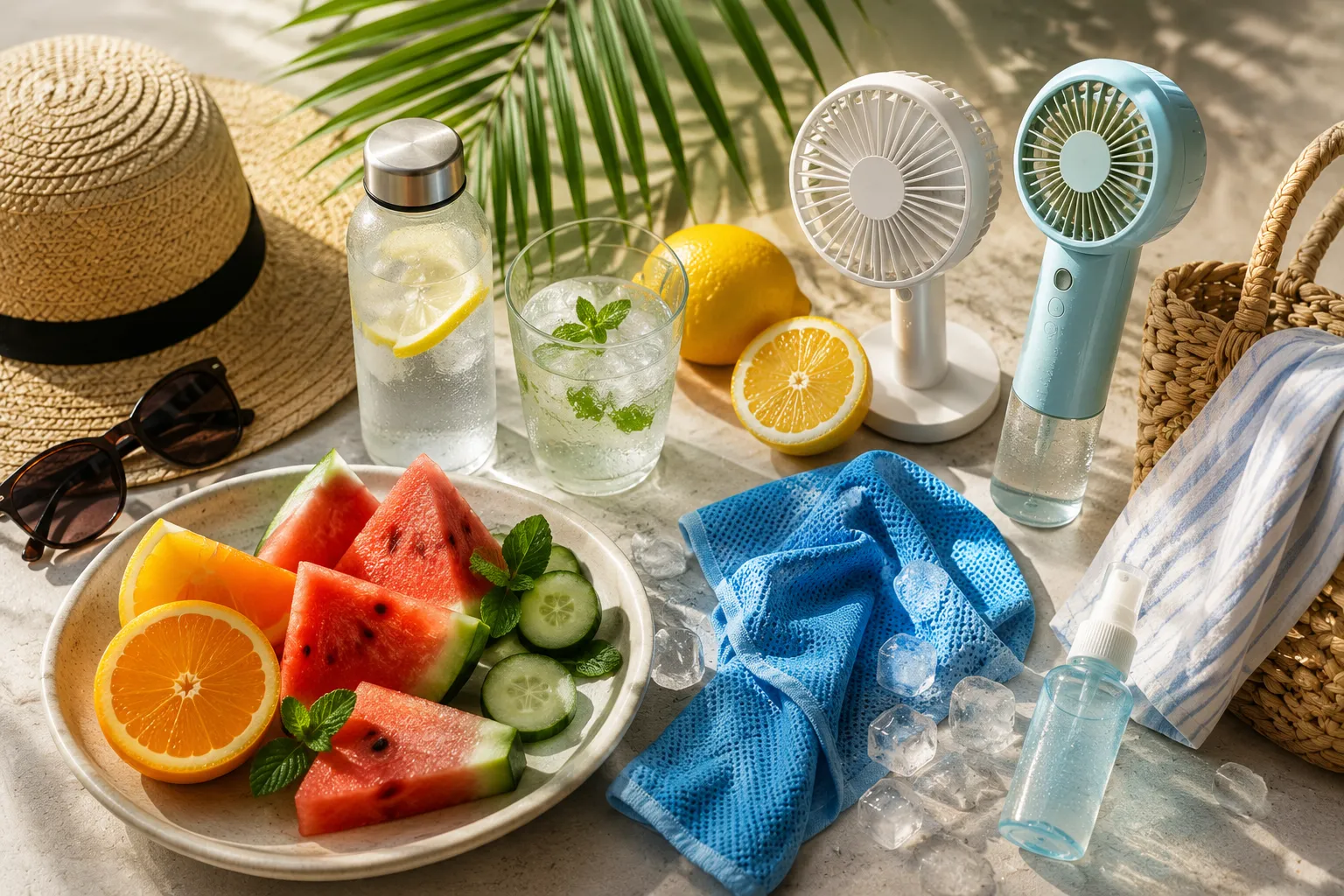
Beating the Heat: Your Essential Guide to Staying Cool, Hydrated, and Energized All Summer
When temperatures soar and humidity climbs, staying comfortable, healthy, and energized becomes a strategic mission.
Heat exhaustion, dehydration, and energy crashes aren’t just uncomfortable—they can seriously impact your health, productivity, and ability to enjoy summer.
This comprehensive guide provides science-backed strategies and practical tips for beating the heat while maintaining your vitality all season long.
Understanding How Heat Affects Your Body
Your body works hard to maintain a core temperature around 98.6°F (37°C), even when external temperatures spike.
When it gets too hot, your body:
- Increases sweat production to cool through evaporation
- Redirects blood flow to skin surface for heat release
- Increases heart rate to support cooling mechanisms
- Uses valuable water and electrolyte reserves
This internal air-conditioning system is remarkably effective—but only when properly supported with hydration, nutrition, and smart cooling strategies.
Recognizing Heat-Related Illness Warning Signs
Heat Exhaustion Symptoms
Early recognition prevents progression to dangerous heat stroke.
Watch for:
- Heavy sweating despite reduced activity
- Weakness, dizziness, or fatigue
- Nausea or headache
- Cool, pale, clammy skin
- Rapid but weak pulse
- Muscle cramps
Immediate action: Move to shade/AC, drink water, cool with wet cloths, rest.
Heat Stroke: Medical Emergency
This is life-threatening and requires immediate medical attention.
Critical signs:
- Body temperature above 103°F (39.4°C)
- Hot, dry skin (sweating has stopped)
- Rapid, strong pulse
- Confusion, altered mental state
- Loss of consciousness
Action: Call 911 immediately. Move person to cool area and begin cooling while waiting for help.
The Hydration Foundation: More Than Just Water
How Much Water Do You Really Need?
The old “8 glasses a day” rule is too simplistic.
Better formula: Drink half your body weight in ounces as a baseline.
- 150 lb person = 75 oz (about 9 cups)
- Add 12-16 oz for every hour of exercise
- Add more during extreme heat or humidity
- Increase if you’re pregnant, breastfeeding, or ill
Signs You’re Not Drinking Enough
Your body sends clear dehydration signals:
- Thirst (by the time you’re thirsty, you’re already mildly dehydrated)
- Dark yellow urine (should be pale yellow to clear)
- Dry mouth and lips
- Headache or difficulty concentrating
- Fatigue or dizziness
- Decreased urination frequency
Beyond Water: Electrolytes Matter
When you sweat, you lose more than water—sodium, potassium, magnesium, and other minerals are essential for cellular function.
Natural electrolyte sources:
- Coconut water (potassium-rich)
- Watermelon (hydrating + minerals)
- Cucumber (96% water content)
- Citrus fruits (vitamin C + hydration)
- Celery and leafy greens (minerals)
When to consider electrolyte drinks:
- Exercise exceeding 60 minutes
- Excessive sweating
- Hot yoga or outdoor workouts
- Signs of dehydration despite water intake
Make your own: Mix water with a pinch of sea salt, squeeze of citrus, and touch of honey.
Hydration Timing Strategies
Morning: Start with 16-24 oz of water upon waking Throughout the day: Sip consistently rather than chugging large amounts Before meals: Drink water 30 minutes before eating During exercise: 7-10 oz every 10-20 minutes Before bed: Small amount to prevent nighttime dehydration without disrupting sleep
Cooling Strategies That Actually Work
Internal Cooling Through Food Choices
Certain foods naturally cool your body from the inside.
Cooling foods to embrace:
- Cucumber (hydrating + cooling properties)
- Mint (creates cooling sensation)
- Melons (watermelon, cantaloupe, honeydew)
- Yogurt (cooling in Ayurvedic tradition)
- Leafy greens (lettuce, spinach, chard)
- Coconut (water and flesh)
- Citrus fruits
Foods to minimize in extreme heat:
- Spicy dishes (increase body temperature)
- Heavy, fatty meals (require more energy to digest)
- Alcohol (dehydrating and impairs temperature regulation)
- Excessive caffeine (mild diuretic effect)
Strategic Cooling Techniques
Pulse Point Cooling: Apply cool (not ice-cold) compresses to:
- Wrists
- Neck
- Temples
- Inside elbows
- Behind knees
- Ankles and top of feet
These areas have blood vessels close to skin surface, cooling blood more efficiently.
The Power of Cool Showers:
- Take lukewarm to cool showers (not ice-cold, which can cause rebound heating)
- Let hair air-dry for extended cooling
- Don’t fully dry off—let water evaporate on skin
- Time showers before bed for better sleep
DIY Cooling Spray: Mix water with a few drops of peppermint essential oil in a spray bottle. Mist face, neck, and arms throughout the day.
Frozen Face Cloth: Dampen a washcloth, fold it, and freeze. Perfect for quick relief when you’re overheated.
Clothing and Fabric Strategies
What to Wear When It’s Sweltering
Best fabrics for hot weather:
- Linen (breathable, moisture-wicking)
- Cotton (natural, absorbent)
- Bamboo (soft, cooling, antimicrobial)
- Moisture-wicking synthetics for exercise
- Loose-weave fabrics for air circulation
Avoid these in extreme heat:
- Tight, restrictive clothing
- Dark colors (absorb heat)
- Synthetic fabrics that don’t breathe
- Heavy, layered outfits
Color matters: White and light colors reflect sunlight, while dark colors absorb heat—choose accordingly.
Pro tip: Dampen a scarf or bandana and wear around your neck for portable cooling.
Home Cooling Without Breaking the Budget
Maximize Your Air Conditioning Efficiency
Smart AC usage:
- Set thermostat to 78°F when home (each degree lower increases costs 3-5%)
- Use ceiling fans to circulate cool air (allows higher thermostat setting)
- Close curtains on sun-facing windows during peak hours
- Run AC strategically during cooler parts of day
- Change filters monthly for optimal performance
No AC? Natural Cooling Alternatives
Create cross-ventilation:
- Open windows on opposite sides of your home
- Position box fans to pull cool air in and push hot air out
- Create a “wind tunnel” effect through hallways
DIY air conditioner: Place a bowl of ice in front of a fan. As ice melts, the fan blows cooler, moisture-rich air.
Cool your bedroom for better sleep:
- Use cotton sheets (breathable)
- Freeze your pillowcase for 30 minutes before bed
- Sleep with a damp towel nearby
- Consider a cooling mattress pad or pillow
- Sleep on lower floors where air is cooler
Strategic window management:
- Close curtains/blinds during peak sun hours (10 AM – 4 PM)
- Open windows early morning and late evening when it’s cooler
- Use reflective window film to deflect heat
Maintaining Energy When Temperatures Spike
Why Heat Drains Your Energy
Your body uses significant energy for temperature regulation.
When it’s hot:
- Blood diverts to skin for cooling (less to muscles and brain)
- Dehydration reduces blood volume and oxygen transport
- Sleep quality decreases, leading to daytime fatigue
- Digestion of heavy meals further drains energy
Energy-Boosting Strategies for Hot Days
Eat smaller, more frequent meals:
- Large meals require more digestive energy
- Opt for light, hydrating snacks throughout the day
- Focus on fruits, vegetables, and lean proteins
- Save heavier meals for cooler evening hours
Strategic caffeine use:
- Morning coffee is fine, but avoid afternoon caffeine in heat
- Green tea provides gentle energy with hydrating fluid
- Limit to 1-2 cups to avoid dehydration effects
Power nap smartly:
- 10-20 minute naps boost alertness without grogginess
- Time naps for mid-afternoon energy dip (1-3 PM)
- Keep room cool and dark
- Set an alarm to prevent oversleeping
Gentle movement over intense exercise:
- Save vigorous workouts for early morning or evening
- Try swimming, water aerobics, or indoor cycling
- Embrace slower-paced activities like yoga or walking
- Listen to your body and reduce intensity on extreme heat days
Exercise Safely in Summer Heat
Best Times for Outdoor Workouts
Optimal windows:
- Early morning (before 9 AM): Coolest temperatures, lower UV exposure
- Late evening (after 7 PM): Sun is setting, heat has dissipated
What to avoid:
- Midday heat (10 AM – 4 PM)
- High humidity combined with high temperature
- Days with air quality warnings or heat advisories
Heat-Safe Exercise Guidelines
Before:
- Hydrate 16-20 oz of water 2 hours before
- Wear light-colored, moisture-wicking clothing
- Apply sunscreen 15 minutes before going outside
- Plan shaded routes when possible
During:
- Reduce intensity and pace compared to cooler weather
- Take frequent breaks in shade
- Drink 7-10 oz every 10-20 minutes
- Pour water over head and neck for cooling
- Stop immediately if you feel dizzy, nauseous, or confused
After:
- Rehydrate with water and electrolytes
- Cool down gradually in shade or AC
- Monitor urine color (should be pale yellow)
- Shower in cool water
- Refuel with hydrating foods
Indoor Workout Alternatives
When it’s simply too hot outside:
- Home workout videos (YouTube, apps)
- Swimming at indoor pools
- Air-conditioned gym sessions
- Early morning or evening yoga at home
- Walking at indoor malls
Special Considerations for Vulnerable Groups
Children
Kids are more susceptible to heat-related illness:
- Smaller bodies heat up faster
- Less efficient sweating mechanisms
- Often don’t recognize their own dehydration
Extra precautions:
- Dress in minimal, light clothing
- Frequent water breaks (even if they say they’re not thirsty)
- Limit outdoor play during peak heat
- Never leave children in parked cars (even briefly!)
Pregnant Women
Pregnancy increases core body temperature and fluid needs.
Important considerations:
- Increase water intake significantly
- Avoid hot tubs, saunas, and very hot baths
- Exercise in cool environments
- Listen to your body and rest frequently
- Consult doctor about exercise in heat
Elderly Adults
Older adults may have diminished thirst sensation and less efficient temperature regulation.
Protective measures:
- Set hydration reminders throughout day
- Check in on elderly neighbors during heat waves
- Ensure access to air conditioning
- Monitor for confusion or unusual behavior (heat stroke sign)
People with Chronic Conditions
Certain conditions and medications affect heat tolerance:
- Heart disease
- Diabetes
- Obesity
- Medications that affect sweating or hydration
Action steps:
- Consult your doctor about heat safety with your specific conditions
- Never adjust medications without medical guidance
- Extra vigilance with hydration and cooling
- Recognize that your heat tolerance may be lower
Summer Sleep Solutions
Heat disrupts sleep, but these strategies help:
Temperature control:
- Keep bedroom 60-67°F if possible
- Use fans for air circulation
- Sleep in moisture-wicking pajamas or minimal clothing
- Try a cooling mattress topper
Hydration balance:
- Drink adequate water throughout day
- Small amount before bed (avoid middle-of-night bathroom trips)
- Keep water bedside for nighttime sips
Pre-bed cooling:
- Cool shower 30-60 minutes before bed
- Wet and freeze socks, wear to bed initially
- Place ice packs on pulse points for 10 minutes
- Use lightweight, breathable bedding
Heat Wave Survival Checklist
When temperatures reach dangerous levels:
Preparation:
- ✓ Stock plenty of water and electrolyte drinks
- ✓ Ensure AC is functioning or identify cooling centers nearby
- ✓ Purchase or prepare cooling supplies (ice, fans, spray bottles)
- ✓ Check on vulnerable neighbors and family
During:
- ✓ Stay indoors in AC during peak heat
- ✓ Close blinds and curtains
- ✓ Avoid cooking with oven (use microwave, grill outside, or eat cold meals)
- ✓ Wear minimal, light clothing
- ✓ Take cool showers multiple times daily
- ✓ Limit physical activity
- ✓ Never leave pets or people in parked vehicles
Monitor yourself and others:
- ✓ Watch for heat illness symptoms
- ✓ Check urine color for hydration status
- ✓ Rest frequently
- ✓ Seek medical attention if symptoms worsen
Final Thoughts: Thriving, Not Just Surviving
Summer heat doesn’t have to sideline your activities or drain your energy.
With strategic hydration, smart cooling techniques, and mindful adjustments to your routine, you can stay comfortable, healthy, and energized throughout the hottest months.
Listen to your body, prioritize hydration, and don’t hesitate to modify plans when heat becomes extreme.
Your health and safety always come first—there’s no prize for toughing it out when temperatures soar.
Stay cool, stay hydrated, and enjoy your summer to the fullest!

Founder of MindSpaceGlow — I write about intentional living, mindset & productivity for a calmer life. Not a licensed therapist, but sharing practical, research-based tools that work in real life.
More about me →





One Comment